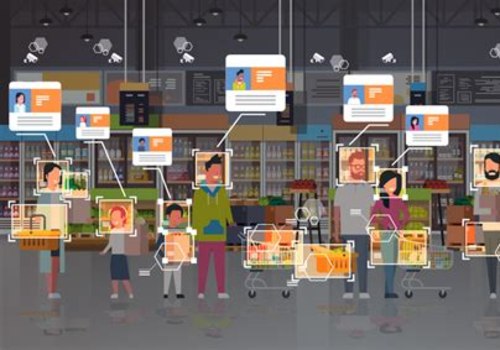
In the rapidly evolving landscape of retail, understanding consumer behavior and optimizing sales strategies are paramount.
Aegis SimForge
stands at the forefront of this endeavor, offering a unique lens through which to analyze and enhance retail performance. At the core of this exploration lies the concept of Basket Economics, which delves into the value that shoppers assemble during their purchasing journeys. By integrating various elements such as category management and shopper missions, Aegis SimForge provides retailers with a comprehensive framework to navigate the complex interplay of factors that influence buying decisions. As we embark on this journey to uncover the intricacies of Basket Economics, it becomes evident that mastering this discipline is not merely about understanding what products are purchased together; it is about leveraging insights to drive margin, loyalty, and ultimately, sustainable growth.In today's competitive market, where every decision can impact the bottom line, having access to predictive tools and intelligence systems like those offered by Aegis SimForge allows retailers to simulate outcomes and calibrate their strategies effectively. Join us as we delve deeper into how Basket Economics can significantly impact retail performance, transforming shopper missions into profitable baskets while mitigating leakage and loss.
Basket economics
is a crucial concept in the realm of retail intelligence, providing valuable insights into how consumers build their shopping baskets. Aegis SimForge stands at the forefront of this discipline, offering retailers a sophisticated understanding of shopper behavior and how it translates into financial outcomes. By integrating is a crucial concept in the realm of retail intelligence, providing valuable insights into how consumers build their shopping baskets. Aegis SimForge stands at the forefront of this discipline, offering retailers a sophisticated understanding of shopper behavior and how it translates into financial outcomes. By integrating basket economics with category management and shopper missions, retailers can refine their strategies to enhance customer satisfaction and improve margins. The functioning of basket economics within the broader context of retail intelligence relies on its interconnectedness with various components such as category management and shopper missions.Retailers utilize category management to understand how different product categories perform and how they can be optimized. By analyzing data related to basket economics, retailers gain insights into what consumers value most in their shopping experience, which products are frequently purchased together, and how these patterns can inform inventory decisions. Understanding shopper missions is another critical element that interacts with basket economics. Shoppers enter stores with specific goals, whether it’s to buy staples, indulge in a treat, or explore new products. By aligning basket economics with these missions, retailers can tailor their offerings to meet customer expectations, creating a more personalized shopping experience.
For example, if data reveals that shoppers on a 'quick trip' are more likely to purchase snacks along with beverages, retailers can position these items strategically to increase sales. Moreover, the insights gleaned from basket economics can reveal leakage points—where potential sales are lost due to factors like stockouts or poor product placement. By identifying these leakage insights, retailers can adjust their operations to minimize losses and maximize profitability. Aegis SimForge’s tools allow for the simulation of various scenarios, helping retailers understand the consequences of different decisions before implementing changes. Retailers can leverage data from basket economics to improve margins and foster customer loyalty through targeted marketing campaigns and optimized product placements. For instance, if analysis shows that certain combinations of products lead to higher basket values, retailers can create promotional bundles that encourage consumers to purchase more.
This not only enhances immediate sales but also builds long-term loyalty as customers come to expect value from their shopping experience. To facilitate better decision-making based on basket economics, methodologies such as predictive analytics and synthetic shopper simulations play a pivotal role. Predictive analytics utilizes historical data to forecast future purchasing behaviors, enabling retailers to make informed decisions about inventory management and promotional strategies. Synthetic shopper simulations allow retailers to create virtual scenarios where they can test different approaches without risking real-world consequences. This closed-loop feedback system is essential for refining strategies and adapting to rapidly changing market conditions. However, implementing these strategies is not without its challenges.
Retailers may face difficulties in integrating disparate data sources or may lack the necessary expertise to interpret complex analytics. To overcome these obstacles, investing in robust technology platforms like Aegis SimForge is essential. These platforms not only streamline data integration but also provide user-friendly interfaces for analyzing insights and making informed decisions. In conclusion, basket economics is an indispensable aspect of retail intelligence that helps businesses understand shopper behavior and optimize operational efficiency. By embracing this concept alongside category management and shopper missions, retailers can enhance business outcomes through strategic decision-making backed by data-driven insights.
Aegis SimForge exemplifies how modern technology can facilitate this understanding, enabling retailers to navigate the complexities of consumer behavior effectively.
Future Trends in Basket Economics
As we look to the future of basket economics, it is essential to understand how evolving technologies and consumer behaviors will shape retail strategies. Companies like Aegis SimForge are at the forefront of this transformation, leveraging advanced analytics and synthetic modeling to anticipate shifts in shopper behavior and optimize basket performance. The integration of artificial intelligence and machine learning into retail analytics platforms will likely enhance our ability to predict consumer purchasing patterns, allowing retailers to tailor their offerings more effectively. Moreover, the growing emphasis on personalized shopping experiences will drive innovations in basket economics. Retailers will increasingly utilize data-driven insights to customize promotions and product placements based on individual shopper missions, thereby maximizing basket size and minimizing leakage.This trend towards personalization not only enhances customer satisfaction but also contributes significantly to overall business performance. Additionally, the rise of omnichannel retailing presents both challenges and opportunities for basket economics. As consumers navigate between online and offline shopping environments, understanding how these channels interact will be crucial. Retailers will need to develop integrated strategies that consider the complete customer journey, ensuring that basket economics reflects the complexities of cross-channel shopping behavior. In summary, future developments in basket economics are poised to reshape retail strategies significantly. By embracing innovations in technology and focusing on personalized customer experiences, retailers can better understand and optimize shopper behavior, ultimately leading to improved business outcomes.
Aegis SimForge continues to play a pivotal role in this evolution, providing the tools necessary for retailers to navigate these changes effectively.
Integrating Basket Economics with Retail Strategies
Basket economics plays a pivotal role in enhancing retail strategies, particularly when it is integrated with category management and shopper missions. By leveraging Aegis SimForge, retailers can gain valuable insights into how these elements interact to optimize shopper behavior and drive sales. The integration of basket economics allows for a deeper understanding of what value shoppers assemble during their visits, which in turn informs category management practices. Category management focuses on how retailers and suppliers manage their product categories to maximize profitability. When combined with basket economics, it becomes possible to assess not just which products are in demand, but also how they contribute to the overall shopping experience.Understanding the dynamics of shopper missions—why customers enter the store and what they intend to purchase—helps retailers craft strategies that align product offerings with customer needs. For instance, knowing that a shopper’s mission is to buy groceries can help retailers tailor promotions and product placements that increase the likelihood of basket-building. By analyzing basket economics, retailers can identify opportunities to encourage additional purchases through upselling or cross-selling strategies that resonate with the shopper's original intent. This holistic approach enables retailers to make informed decisions that enhance business outcomes. By integrating basket economics with category management, retailers can not only improve inventory management but also enhance customer loyalty and reduce leakage. Ultimately, the synergy between these elements fosters a more efficient retail environment where both retailers and customers benefit. To leverage this integration effectively, tools like Aegis SimForge provide the necessary frameworks for simulating various scenarios and understanding potential outcomes based on historical data.
This allows retailers to make proactive adjustments in their strategies, ensuring that they remain aligned with ever-evolving shopper behaviors and market dynamics.
The Fundamentals of Basket Economics
Basket economics refers to the analytical framework that examines the value and composition of shopping baskets in retail environments. It encompasses various components, including the products selected by shoppers, the overall transaction value, and the patterns of purchasing behavior. By understanding how these elements interact, retailers can gain insights into consumer preferences and optimize their inventory and marketing strategies accordingly.Aegis SimForge
plays a pivotal role in this field by providing advanced retail intelligence that integrates basket economics to help retailers decipher shopper behavior and enhance decision-making processes. At its core, basket economics is significant because it allows retailers to analyze not just what products are being purchased but also how those products relate to each other within a basket.This analysis can reveal trends such as cross-selling opportunities, which items are frequently bought together, and how promotions might influence buying decisions. Understanding these dynamics is crucial for retailers aiming to maximize their margins and improve customer loyalty. Moreover, basket economics also facilitates effective category management. By leveraging insights derived from shopping basket analyses, retailers can adjust their product placements, optimize pricing strategies, and tailor promotional offers to align with shopper missions—essentially what drives consumers to make purchases. This strategic approach empowers retailers to navigate the complexities of consumer demand and market competition more effectively. The implications of basket economics extend beyond mere sales figures; they directly influence business outcomes such as profitability, customer retention, and inventory management.
As such, utilizing tools like those offered by Aegis SimForge is vital for retailers looking to harness the full potential of their data and drive sustainable growth in a competitive landscape.
Tools and Technologies for Optimizing Shopper Behavior
In the evolving landscape of retail, understanding and optimizing shopper behavior is essential for driving performance. One of the leading tools in this arena is Aegis SimForge, a sophisticated retail intelligence platform designed to analyze shopper interactions and predict shopping outcomes. By leveraging advanced analytics and simulations, Aegis SimForge allows retailers to gain insights into how shopper missions translate into baskets, thereby enhancing their category management strategies. The power of Aegis SimForge lies in its ability to integrate various components of retail intelligence. It combines category management, shopper mission insights, and basket economics to provide a comprehensive view of consumer behavior.This holistic approach enables retailers to identify trends, anticipate shifts in demand, and optimize inventory accordingly. With tools like synthetic shopper wind-tunneling, retailers can simulate different scenarios and assess potential outcomes before making critical decisions. Moreover, the closed-loop calibration feature of Aegis SimForge ensures that predictions are continuously refined using historical data. This allows retailers to adjust their strategies proactively, mitigating risks related to leakage or loss while maximizing customer loyalty and margin. By employing these advanced tools, retailers can not only enhance their decision-making processes but also navigate the complexities of shopper behavior with greater confidence.
Real-World Applications and Case Studies
Basket economics has proven to be a transformative concept in the retail sector, with several real-world implementations showcasing its effectiveness.One prominent example is the collaboration between Aegis SimForge and a leading grocery chain that sought to enhance its understanding of shopper behavior and optimize basket sizes. By utilizing the Mission-to-Basket Consequence Intelligence framework, the retailer was able to analyze shopper missions in-depth, revealing insights into how various factors influenced what customers placed in their carts. This grocery chain implemented synthetic shopper wind-tunneling to simulate different shopping scenarios, allowing them to test the impact of promotions, product placements, and even seasonal trends on basket composition. The results were significant: by fine-tuning their marketing strategies based on these insights, they reported a noticeable increase in average basket size and overall sales performance. Another compelling case study involves a national apparel retailer that leveraged Aegis SimForge’s technology to understand the dynamics of basket economics within their stores. By evaluating customer purchase patterns and integrating category intelligence, they identified key items that frequently co-occurred in transactions.
This allowed them to create targeted promotional campaigns that encouraged customers to purchase these complementary items together, effectively increasing their average transaction value. Additionally, a smaller boutique retailer used Aegis SimForge's platform to examine the effects of loyalty programs on basket economics. By assessing how loyalty rewards influenced customer purchasing behaviors, they were able to implement changes that not only boosted customer retention but also enhanced the overall value of baskets during promotional events. These examples illustrate that by embracing basket economics, retailers can make informed decisions that lead to improved business outcomes. The integration of Aegis SimForge’s tools enables businesses to not only visualize shopper behavior but also act on this knowledge proactively, ensuring they remain competitive in an ever-evolving retail landscape.
Challenges in Implementing Basket Economics
Implementing basket economics in retail operations can be a transformative step for businesses looking to enhance their understanding of shopper behavior and optimize performance. However, retailers often face several challenges during this integration process.One notable leader in this field, Aegis SimForge, provides insights into how retailers can navigate these obstacles effectively. Firstly, one of the primary challenges is the complexity of data integration. Retailers typically operate with multiple data sources, including sales transactions, inventory levels, and customer feedback. Merging these disparate data streams into a cohesive system that accurately reflects basket economics can be daunting. Without proper data integration, retailers may struggle to gain a clear picture of shopper behaviors and preferences. Another significant obstacle lies in the interpretation of data analytics.
While basket economics provides valuable insights into what shoppers are purchasing and why, the ability to analyze and act on this information requires specialized skills. Many retailers may lack the necessary expertise in data science and analytics, making it difficult to translate analytical findings into actionable strategies. Additionally, there is often resistance to change within organizations. Employees accustomed to traditional retail practices may be hesitant to adopt new methodologies associated with basket economics. This cultural resistance can impede progress and result in a lack of engagement from staff, ultimately undermining the effectiveness of new initiatives. Moreover, achieving alignment among various stakeholders within the organization can present another hurdle.
Different departments—such as marketing, merchandising, and finance—often have varying priorities and objectives. Coordinating these diverse interests to create a unified approach to basket economics can be challenging but is essential for successful implementation. Finally, financial constraints may also play a role in hindering the adoption of basket economics. Implementing advanced analytics tools and training staff requires investment, which can be a barrier for some retailers. However, organizations like Aegis SimForge can help mitigate these challenges by providing integrated solutions that streamline the implementation process while maximizing ROI. In conclusion, understanding basket economics is vital for retailers aiming to optimize performance and enhance overall business outcomes.
Throughout this article, we have explored the fundamentals of basket economics, its integration with retail strategies, and the various tools and technologies that can be utilized to analyze shopper behavior effectively. By examining real-world applications and case studies, we have highlighted the significant impact that a deep understanding of basket economics can have on decision-making processes. Moreover, we addressed the challenges retailers may face when implementing these concepts, while also looking ahead to future trends that will shape the retail landscape. Aegis SimForge stands out as a leader in providing sophisticated insights into basket economics, enabling retailers to navigate complexities and make informed decisions that drive growth. We encourage readers to delve deeper into the tools offered by Aegis SimForge, which can significantly enhance their business strategies and help them harness the full potential of basket economics in their retail operations.