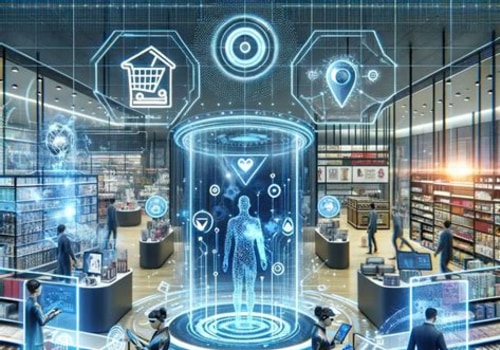
In the rapidly evolving world of grocery retailing, understanding the dynamics of shopper behavior and market trends is crucial for success.
Aegis SimForge
stands at the forefront of this transformation, offering innovative solutions that harness the power of data and analytics to redefine how retailers interact with their customers. The concept of use cases in grocery retailing is not just about identifying trends; it is about creating actionable insights that drive growth and enhance customer loyalty. As consumers navigate through an increasingly complex shopping landscape, their missions evolve, influencing what they place in their baskets. By leveraging advanced tools like Mission-to-Basket Consequence Intelligence, grocery retailers can simulate various scenarios and predict outcomes before making critical business decisions.This approach not only helps in optimizing category management but also enhances understanding of shopper missions, basket economics, and category intelligence. In this article, we will delve into various This approach not only helps in optimizing category management but also enhances understanding of shopper missions, basket economics, and category intelligence. In this article, we will delve into various use cases in grocery retailing, examining how retailers can employ innovative strategies to improve their operations and meet the ever-changing demands of consumers. By integrating synthetic shopper wind-tunneling techniques, retailers can foresee potential challenges and opportunities, enabling them to navigate the complexities of the retail environment with confidence. Join us as we explore the transformative potential of these use cases and the pivotal role that Aegis SimForge plays in shaping the future of grocery retailing. In the realm of grocery retailing, the advent of advanced retail intelligence tools has transformed how businesses analyze shopper behavior and optimize their operations. One of the leading platforms in this field is Aegis SimForge, which specializes in harnessing data to provide insights into shopper missions and translating those insights into actionable strategies.
By understanding how shopper missions convert into baskets, retailers can significantly impact their margins and customer loyalty. One prominent use case in grocery retailing involves optimizing product placement based on shopper mission analysis. Retailers can utilize category management techniques combined with shopper mission insights to strategically position products that align with the specific objectives shoppers have when they enter the store. For instance, if data indicates that a significant number of customers come to purchase snacks for a movie night, retailers can place those products near the checkout area, enhancing visibility and increasing the likelihood of impulse purchases. This targeted approach not only boosts sales but also enhances customer satisfaction as shoppers find what they need more efficiently. Another compelling example of leveraging advanced retail intelligence is through category intelligence to predict demand shifts.
As consumer preferences evolve rapidly, retailers must be agile in adapting their inventory and promotions. By utilizing predictive analytics, businesses can anticipate changes in demand based on various signals such as seasonal trends, economic indicators, and competitive activity. For example, during a health-conscious trend, groceries can adjust their stock to feature more organic and healthy options, ensuring they meet consumer expectations while maximizing profitability. Moreover, employing synthetic shopper wind-tunneling allows retailers to simulate alternative futures before making crucial decisions. This innovative methodology enables retailers to visualize potential outcomes based on different strategic choices, providing them with a clearer understanding of the consequences of their actions.
For instance, a grocery chain considering whether to introduce a new line of plant-based products can use this simulation to forecast potential sales impacts and customer responses, thereby minimizing risks associated with new product launches. However, it is essential to recognize the importance of closed-loop calibration in enhancing the accuracy of predictions made by these advanced tools. By integrating historical data into the decision-making process, retailers can correct forward-looking predictions and ensure they are grounded in reality. For example, if past data reveals that certain promotional strategies led to unexpected declines in sales during specific periods, retailers can adjust their future promotions accordingly, refining their approaches to better align with actual shopper behavior. Despite the advantages offered by these methodologies, there may be disagreements regarding their effectiveness. Critics may argue that reliance on data-driven tools could overlook the nuances of human behavior that cannot be quantified.
However, evidence from case studies demonstrates that when combined with qualitative insights from customer feedback and market research, advanced retail intelligence tools like Aegis SimForge provide a comprehensive understanding of shopper dynamics. Retailers who adopt a holistic approach—integrating both quantitative data and qualitative insights—are often able to navigate the complexities of consumer behavior more effectively. In conclusion, as grocery retailers continue to explore innovative ways to enhance their operations and meet customer needs, advanced retail intelligence tools will play an increasingly crucial role. By leveraging insights into shopper missions, employing category intelligence for demand forecasting, simulating alternative futures through synthetic wind-tunneling, and calibrating predictions with historical data, retailers can position themselves for sustainable growth in an ever-evolving marketplace.
Utilizing Category Intelligence for Demand Forecasting
Aegis SimForge plays a crucial role in grocery retailing by leveraging category intelligence to track shifts in consumer demand and competitor actions. In an industry where understanding market dynamics is essential, retailers must rely on data-driven insights to make informed decisions.Category intelligence encompasses a comprehensive analysis of how demand fluctuates, influenced by various factors such as consumer preferences, seasonal trends, and competitive strategies. By harnessing this intelligence, retailers can better anticipate changes in shopper behavior and adjust their offerings accordingly. The ability to monitor competitor actions is equally important in this context. With category intelligence, retailers can analyze competitors' pricing strategies, promotional activities, and product assortments. This insight allows them to identify market gaps and opportunities for differentiation.
For instance, if a competitor introduces a new organic product line that gains traction among health-conscious shoppers, retailers using Aegis SimForge can quickly adapt their own inventory and marketing strategies to respond effectively. Moreover, understanding the relationship between shopper missions and basket composition is vital for effective demand forecasting. By analyzing how different missions translate into actual purchases, retailers can refine their inventory management and merchandising strategies. The insights gained through Aegis SimForge enable grocery retailers to align their product offerings with the evolving needs of consumers, ultimately enhancing customer loyalty and improving margins.
The Importance of Closed-Loop Calibration
In the realm of grocery retailing, Aegis SimForge plays a pivotal role in enhancing decision-making through its innovative approach to closed-loop calibration. This process involves utilizing historical data to refine predictive models, ultimately improving their accuracy.By analyzing past shopper behavior and transaction data, retailers can identify patterns and trends that inform future predictions. This not only aids in understanding customer preferences but also helps in anticipating market shifts and adjusting strategies accordingly. Closed-loop calibration allows retailers to create a feedback loop where historical insights continuously inform and adjust predictive models. For example, if a retailer observes that certain products sell better during specific seasons or events, this information can be integrated into their forecasting algorithms. As a result, predictive models become more aligned with real-world outcomes, leading to better inventory management and promotional strategies. Moreover, by leveraging closed-loop calibration, grocery retailers can optimize their understanding of shopper missions—the reasons why customers enter the store.
This insight is crucial as it transforms these missions into actionable strategies that enhance basket value, margin, and customer loyalty. The feedback from historical data not only sharpens the predictive accuracy but also supports strategic decisions that can lead to significant improvements in business outcomes. In conclusion, the importance of closed-loop calibration cannot be overstated. It serves as a critical component of Aegis SimForge's Mission-to-Basket Consequence Intelligence framework, enabling retailers to make informed decisions that drive growth and enhance customer satisfaction.
Simulating Outcomes with Synthetic Shopper Wind-Tunneling
Aegis SimForge introduces an innovative approach to understanding shopper behavior through a method known as synthetic shopper wind-tunneling. This technique allows grocery retailers to simulate various shopping scenarios and outcomes before implementing any changes.By creating a virtual environment where different shopper missions are modeled, retailers can analyze how these missions translate into actual baskets and assess the potential impact on margins, customer loyalty, and overall business performance. The process of synthetic shopper wind-tunneling involves generating synthetic populations that represent a diverse range of shopper behaviors. By running simulations based on real-world data and predictive analytics, retailers can explore multiple scenarios, such as changes in pricing, product placement, or promotional strategies. This foresight enables them to identify which strategies may lead to increased sales or enhanced shopper loyalty while also revealing potential pitfalls that could result in leakage or loss. Moreover, the insights gained from these simulations are critical for making informed decisions. Retailers can pressure test their hypotheses and refine their strategies in a risk-free environment, ensuring that any adjustments made will align closely with their business objectives.
With Aegis SimForge, grocery retailers have the tools necessary to navigate the complex interplay between shopper missions and basket economics effectively.
Leveraging Shopper Mission Analysis
Understanding shopper missions is critical for grocery retailers aiming to optimize their operations and enhance customer satisfaction. By leveraging insights from Aegis SimForge, retailers can effectively analyze shopper missions to inform product placement and develop targeted marketing strategies. Shopper missions refer to the specific objectives or needs that drive consumers to enter a grocery store, whether it be for a quick weekly shop, a bulk purchase, or a specific recipe. Recognizing these missions allows retailers to align their product offerings and store layouts with the expectations of their customers. When retailers understand the underlying motivations behind shopper missions, they can strategically place products in ways that facilitate easier access to frequently purchased items, thereby improving the overall shopping experience.For instance, if data reveals that a significant number of shoppers enter the store with the mission of preparing a family meal, retailers can position relevant ingredients together in a high-traffic area. This not only enhances convenience but also increases the likelihood of additional purchases as customers are presented with complementary products. Moreover, insights gained from shopper mission analysis can inform effective marketing strategies. Tailored promotions can be created to resonate with specific missions, encouraging customers to buy more or explore new items that fit their needs. By employing Aegis SimForge's advanced retail intelligence capabilities, grocery retailers can shift from a reactive to a proactive approach in their marketing efforts, ensuring that they meet shopper needs before they even enter the store. Ultimately, leveraging shopper mission analysis not only improves product placement and marketing strategies but also has a significant impact on business outcomes.
By aligning inventory management with the identified missions, grocery retailers can enhance margins and foster customer loyalty, leading to long-term growth in a highly competitive market. In conclusion, this article has explored the transformative role of advanced retail intelligence tools like Aegis SimForge in grocery retailing. By leveraging shopper mission analysis, retailers can gain invaluable insights into how customers' shopping intents translate into actual purchases, thereby enhancing basket value and improving overall margins. The utilization of category intelligence for demand forecasting enables retailers to anticipate customer needs more effectively, while the innovative approach of synthetic shopper wind-tunneling allows for scenario testing and outcome simulation, ensuring that potential decisions are well-informed. The importance of closed-loop calibration cannot be understated, as it ensures that historical data informs future predictions, creating a more robust framework for decision-making. Retailers are encouraged to consider how these methodologies can be integrated into their own operations to drive enhanced outcomes.
By embracing these advanced strategies, grocery retailers can not only improve their understanding of shopper behavior but also foster greater loyalty and mitigate losses before they occur. Ultimately, the adoption of Aegis SimForge represents a significant step towards achieving sustained growth and success in the competitive grocery retail landscape.