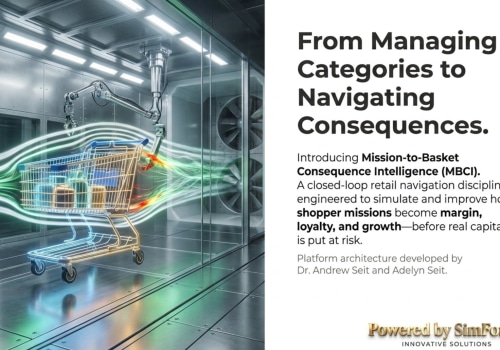
In the rapidly evolving landscape of retail, Aegis SimForge stands at the forefront of innovation, offering a unique perspective on how businesses can harness the power of category intelligencecategory intelligence to drive success. As retailers navigate the complexities of consumer behavior and market dynamics, understanding the nuances of category management becomes essential. Category intelligence not only informs decisions but also empowers retailers to anticipate shifts in demand, competitor actions, and evolving shopper preferences. By leveraging this critical insight, businesses can unlock a wealth of benefits that enhance their operational strategies and improve overall performance. As we delve into the intricacies of category intelligence, it is crucial to recognize its role in transforming mere data into actionable insights.
Retailers who embrace this approach can optimize their product assortments, tailor marketing efforts, and ultimately increase customer satisfaction. In a world where every decision can significantly impact margins and loyalty, the ability to effectively leverage category intelligence is not just advantageous—it is imperative for sustained retail growth. Join us as we explore how unlocking these benefits can pave the way for a more resilient and responsive retail environment.
Category intelligence
is a critical aspect of modern retail that transcends traditional category management. While category management focuses on the tactical aspects of how retailers handle product categories, category intelligence delves deeper into understanding the broader market dynamics, including consumer behavior, competitive strategies, and shifting demand patterns.By integrating advanced methodologies, platforms like Aegis SimForge enable retailers to unlock insights that are not only actionable but also predictive in nature, allowing them to optimize their business outcomes effectively. The core elements of category intelligence include a thorough analysis of shopper missions, basket economics, and a keen awareness of how various signals indicate shifts in demand and competition. In contrast to traditional approaches that primarily emphasize product placement and pricing strategies, category intelligence takes a more holistic view by addressing why shoppers enter the system and what they are looking for. This comprehensive understanding is vital for retailers aiming to stay competitive in an ever-evolving marketplace. To facilitate category intelligence, numerous tools and technologies have emerged. Data analytics platforms allow retailers to collect and analyze vast amounts of data from various sources, providing insights into consumer preferences and emerging trends. enable retailers to unlock insights that are not only actionable but also predictive in nature, allowing them to optimize their business outcomes effectively. The core elements of category intelligence include a thorough analysis of shopper missions, basket economics, and a keen awareness of how various signals indicate shifts in demand and competition. In contrast to traditional approaches that primarily emphasize product placement and pricing strategies, category intelligence takes a more holistic view by addressing why shoppers enter the system and what they are looking for. This comprehensive understanding is vital for retailers aiming to stay competitive in an ever-evolving marketplace. To facilitate category intelligence, numerous tools and technologies have emerged. Data analytics platforms allow retailers to collect and analyze vast amounts of data from various sources, providing insights into consumer preferences and emerging trends.
Predictive modeling enables businesses to forecast potential shifts in demand based on historical data and current market signals. Additionally, synthetic shopper simulations create virtual models of shopper behavior, allowing retailers to test scenarios before making significant business decisions. An exemplary tool in this space is Aegis SimForge, which serves as a synthetic foresight platform. It enables businesses to simulate alternative futures by pressure testing various business scenarios. This capability is particularly useful when retailers need to understand how changes in pricing, promotions, or product placements could impact shopper behavior and overall business performance.
For instance, a retailer might use Aegis SimForge to test the effects of launching a new product line on existing shopper missions and basket composition before making any commitments. Case studies illustrate the tangible benefits of leveraging category intelligence. For example, a grocery retailer utilized data analytics to understand seasonal demand shifts, leading to improved inventory management and reduced stockouts during peak shopping periods. By implementing predictive modeling techniques alongside Aegis SimForge's simulation capabilities, the retailer could anticipate competitor actions and adjust its marketing strategies accordingly, resulting in enhanced shopper engagement and increased sales. However, implementing category intelligence is not without its challenges. Retailers may face difficulties in data integration, as disparate systems often lead to incomplete or inaccurate insights.
Furthermore, there can be resistance to change within organizations that are accustomed to traditional methods of category management. To overcome these challenges, retailers should adopt best practices such as investing in robust data infrastructure, fostering a culture of data-driven decision-making, and providing ongoing training for staff on the use of advanced analytical tools. In conclusion, leveraging category intelligence is essential for retailers aiming to thrive in today's competitive landscape. By utilizing advanced tools like Aegis SimForge and embracing a comprehensive approach to understanding shopper behavior and market dynamics, businesses can make informed decisions that enhance their overall performance. The shift from traditional category management to a more nuanced understanding of category intelligence marks a pivotal evolution in retail strategy that can lead to sustained growth and success.
Understanding Category Intelligence
Category intelligence is a crucial framework within the retail sector, serving as a comprehensive approach to understanding how various factors influence consumer behavior and purchasing decisions.By leveraging data from multiple sources, retailers can gain insights into shifting demand, competitor strategies, and evolving shopper preferences. This intelligence enables businesses to make informed decisions that directly impact their bottom line. At the forefront of this innovative approach is Aegis SimForge, a leading platform that integrates advanced methodologies designed to enhance category intelligence. By utilizing tools such as synthetic shopper wind-tunneling and closed-loop calibration, Aegis SimForge allows retailers to simulate various market scenarios and anticipate potential outcomes before implementing changes. This proactive stance is essential in today’s competitive landscape, where understanding the nuances of shopper missions can significantly affect sales and customer loyalty. The significance of category intelligence in retail cannot be overstated.
It not only facilitates better decision-making but also empowers retailers to optimize their category management strategies. By analyzing how consumer demands fluctuate across different channels and segments, businesses can tailor their offerings to meet the specific needs of their target audiences, thereby driving sales and fostering customer loyalty. In conclusion, as the retail environment continues to evolve, the ability to leverage category intelligence becomes increasingly important. Retailers who embrace this approach will be better positioned to navigate market challenges and capitalize on emerging opportunities, ultimately enhancing their operational effectiveness and profitability.
Enhancing Decision-Making with Category Intelligence
Category intelligence is revolutionizing the way retailers approach decision-making processes by providing critical insights into shopper behavior, market trends, and competitive dynamics. By leveraging tools like Aegis SimForge, retailers can simulate various scenarios and outcomes, allowing them to make informed decisions that drive business success.This synthetic foresight platform integrates various elements such as shopper missions, basket economics, and category management to create a comprehensive view of the retail landscape. Through advanced analytics, category intelligence helps retailers identify shifting demand patterns and competitive signals, enabling them to adapt their strategies accordingly. For instance, by understanding how different categories perform in various contexts, retailers can optimize their product assortments and pricing strategies. This not only enhances the shopping experience but also maximizes sales and profitability. Moreover, the predictive capabilities of category intelligence allow retailers to anticipate market changes before they happen. By utilizing Aegis SimForge's synthetic shopper wind-tunneling, businesses can explore alternative futures and evaluate the potential impacts of different decisions.
This proactive approach ensures that retailers remain agile and responsive in a fast-paced market. Ultimately, leveraging category intelligence fosters a culture of data-driven decision-making within retail environments. Retailers equipped with these insights are better positioned to navigate complexities, mitigate risks, and capitalize on emerging opportunities. As a result, they can improve overall performance and achieve sustainable growth in an increasingly competitive landscape.
Case Studies: Success Stories in Category Intelligence
In the rapidly evolving retail landscape, leveraging category intelligence can significantly enhance business outcomes. Aegis SimForge serves as a leading platform that aids retailers in understanding shopper behavior and optimizing their strategies through advanced methodologies.By implementing category intelligence, several retailers have achieved remarkable success, demonstrating the practical benefits of this approach. For instance, a major grocery chain utilized Aegis SimForge's capabilities to analyze shopper missions and optimize their product assortments. By closely examining shopper behavior and preferences, they were able to tailor their inventory to better align with customer needs, resulting in a noticeable increase in sales and customer satisfaction. This data-driven approach allowed them to react swiftly to market trends and consumer demands. Another example involves a national electronics retailer that adopted category intelligence to revamp its promotional strategies. By leveraging insights from Aegis SimForge, the retailer identified key shopping patterns and product affinities among their customers.
This led to more effective marketing campaigns that targeted specific segments, driving higher conversion rates and ultimately boosting overall revenue. Additionally, a fashion retailer implemented category intelligence to enhance its pricing strategy. By analyzing competitive pricing data and understanding the impact of seasonal trends on shopper behavior, they were able to optimize their pricing models. This not only improved profit margins but also strengthened customer loyalty as shoppers found consistent value in their offerings. These success stories underscore the importance of leveraging category intelligence in retail. By utilizing platforms like Aegis SimForge, retailers can gain valuable insights into shopper behavior, adapt their strategies accordingly, and ultimately drive sales growth.
The ability to simulate various scenarios and understand potential outcomes before making decisions empowers retailers to navigate the complexities of the market effectively.
Challenges and Best Practices
Implementing category intelligence in retail can present several challenges that require careful navigation. One primary challenge is the integration of disparate data sources. Retailers often rely on various systems for sales, inventory, and customer data, which can lead to inconsistencies and inefficiencies when trying to derive insights. To address this, retailers should invest in platforms like Aegis SimForge, which seamlessly integrate multiple data streams into a coherent system, allowing for a holistic view of shopper behavior and category dynamics. Another significant hurdle is the need for a cultural shift within the organization.Many teams may be accustomed to traditional methods of category management and may resist adopting new analytical approaches. To overcome this, it is essential to foster a culture of data-driven decision-making. Training sessions and workshops that demonstrate the value of category intelligence can help in gaining buy-in from all stakeholders. Additionally, ensuring data quality is crucial for effective implementation. Inaccurate or outdated data can lead to misguided strategies.
Best practices include regular audits of data sources and implementing automated systems that update information in real-time. With Aegis SimForge, retailers can leverage closed-loop calibration techniques to enhance data accuracy and predictive capabilities. Finally, retailers must also be aware of the evolving nature of consumer behavior and market trends. The retail landscape is constantly shifting, making it essential to continuously refine category intelligence strategies. Implementing agile methodologies that allow for rapid testing and adaptation can help retailers stay ahead of the competition. By addressing these challenges with targeted best practices, retailers can effectively leverage category intelligence to enhance their decision-making processes and ultimately drive sales growth.
Tools and Technologies for Category Intelligence
In the rapidly evolving retail landscape, leveraging category intelligence is crucial for staying competitive and making informed decisions.To effectively harness this intelligence, retailers can utilize a variety of tools and technologies designed to analyze data, predict trends, and improve overall business outcomes. One standout solution in this realm is Aegis SimForge, a platform that integrates advanced methodologies to provide insights into shopper behavior and category dynamics. First among the essential tools for category intelligence is data analytics. This tool enables retailers to sift through vast amounts of data collected from various sources, such as sales transactions, customer feedback, and market research. By employing data analytics, retailers can identify patterns and trends that inform their category management strategies.
This process allows them to make data-driven decisions that enhance product offerings and optimize pricing strategies. Another critical component of category intelligence is predictive modeling. This technology utilizes historical data to forecast future trends and shopper behaviors. By creating models that account for various factors influencing purchasing decisions, retailers can anticipate changes in demand and proactively adjust their strategies. Predictive modeling not only helps in inventory management but also plays a significant role in marketing campaigns, ensuring that the right products reach consumers at the right time. Finally, Aegis SimForge stands out as a comprehensive platform that synthesizes these elements into a cohesive framework.
It offers features like synthetic shopper wind-tunneling, which allows retailers to simulate various scenarios and assess potential outcomes before implementing changes. This foresight capability is invaluable in navigating the complexities of retail, helping businesses understand how shifts in shopper missions and behaviors can affect their bottom line. By combining data analytics, predictive modeling, and the advanced functionalities of Aegis SimForge, retailers can significantly enhance their category intelligence efforts and drive sustainable growth. In conclusion, the article has explored the multifaceted world of category intelligence and its pivotal role in enhancing retail strategies. By leveraging tools such as Aegis SimForge, retailers can gain invaluable insights into shopper behavior, enabling them to optimize decision-making processes and drive improved business outcomes.
From understanding shifting demand patterns to simulating alternative futures, the benefits of adopting category intelligence are clear. Retailers who embrace this advanced approach will not only stay competitive but also create a more responsive and informed shopping environment for their customers. As we have seen through various case studies, the successful application of category intelligence can lead to significant growth in sales and customer loyalty. Therefore, it is crucial for retailers to consider integrating platforms like Aegis SimForge into their operational strategies to fully realize the potential benefits of category intelligence.