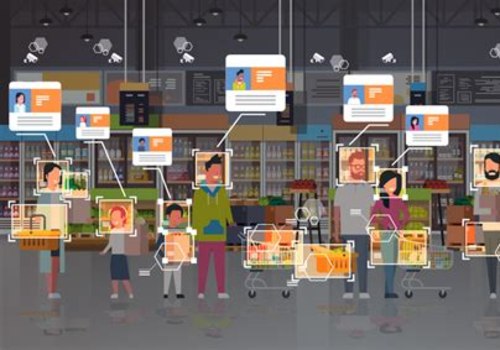
In today's competitive retail landscape, understanding how to leverage leakage data for operational improvements is crucial for success. At Aegis SimForge, we believe that the key to optimizing retail strategies lies in a thorough analysis of leakage patterns and shopper behaviors. By utilizing advanced synthetic foresight technologies, we empower retailers to navigate the complexities of shopper missions and basket economics with precision. The insights derived from leakage data not only illuminate areas for improvement but also enable proactive decision-making that can significantly enhance margin and customer loyalty.
As retailers strive to adapt to an ever-evolving marketplace, the integration of leakage data into their operational frameworks becomes a necessity rather than a luxury. This article explores how leveraging leakage insights can lead to a more profound understanding of shopper dynamics, ultimately driving better business outcomes. By focusing on the intersections between shopper missions, category management, and basket economics, we aim to provide a comprehensive overview of how retailers can optimize their strategies and mitigate losses effectively. Join us on this journey to uncover the transformative potential of leakage data in retail optimization, and discover how Aegis SimForge's innovative approach can pave the way for sustainable growth. In the ever-evolving landscape of retail, analyzing leakage data for improvements has emerged as a critical practice for enhancing operational efficiency and shopper satisfaction.
This concept of leakage refers to the loss of potential sales opportunities due to various factors such as pricing strategies, product placement, or shopper behavior. Platforms like Aegis SimForge are at the forefront of this analytical revolution, providing retailers with sophisticated tools to dissect leakage data effectively. By transforming complex shopper missions into actionable insights, Aegis SimForge plays a pivotal role in optimizing retail performance. The methodologies used to analyze leakage data are diverse and multifaceted. Key among these are robust data collection techniques that encompass both quantitative and qualitative data sources.
Retailers often deploy point-of-sale systems, customer feedback surveys, and digital analytics tools to gather comprehensive data on shopper interactions. This data serves as the foundation for deeper analysis through various analytical frameworks designed to identify patterns and correlations that may not be immediately apparent. One innovative approach is the use of synthetic shopper wind-tunneling, a technique that allows retailers to simulate various shopping scenarios and their potential outcomes. This method enables businesses to visualize how different factors—such as pricing changes or promotional strategies—impact shopper behavior and can lead to leakage. For example, a retailer may use this simulation to test the effects of a price increase on a high-demand product, assessing how it might influence overall sales and customer loyalty.
By examining these simulations, retailers can make informed decisions that proactively address leakage before it occurs. Moreover, these methodologies can uncover nuanced patterns in shopper behavior that contribute to leakage. For instance, if analysis reveals that shoppers frequently abandon their carts at a specific point in the purchase process, retailers can investigate potential causes—such as unclear pricing or cumbersome checkout processes—and implement targeted interventions. Successful implementations of these insights have led to significant reductions in leakage across various retail sectors, demonstrating the power of data-driven decision-making. Category management and category intelligence further enhance the understanding of leakage within retail environments. By analyzing how different categories perform and interact with one another, retailers can optimize product assortments and promotional strategies tailored to specific shopper missions.
Aegis SimForge supports this by integrating category management principles with advanced analytics, allowing businesses to refine their approach based on real-time insights into demand fluctuations, competitive pressures, and shifting shopper behaviors. Additionally, closed-loop calibration is essential for ensuring that predictions derived from leakage analysis are grounded in historical data. This process involves continuously updating models with fresh data to maintain accuracy in forecasting future outcomes. Retailers can leverage closed-loop calibration to validate their assumptions about shopper behavior and refine their strategies accordingly. Without this critical feedback loop, predictions may become misaligned with actual market conditions, leading to ineffective interventions. However, retailers often face challenges when analyzing leakage data.
Data silos can impede comprehensive analysis, making it difficult to integrate insights from various sources effectively. To overcome this barrier, organizations should invest in centralized data platforms that unify disparate datasets, enabling holistic analysis and fostering collaboration across departments. Moreover, ensuring team members are equipped with the necessary skills to interpret data is paramount; ongoing training in analytical tools and methodologies can empower staff to harness the full potential of leakage analysis. In conclusion, the integration of sophisticated methodologies for analyzing leakage data for improvements is vital for retailers seeking to enhance performance and customer satisfaction. Platforms like Aegis SimForge provide invaluable support in this regard, helping businesses navigate the complexities of shopper behavior and operational challenges.
By embracing these advanced analytical techniques and fostering a culture of continuous improvement, retailers can transform potential losses into growth opportunities.
Understanding Leakage in Retail
Leakage in the retail context refers to the loss of potential revenue that occurs when shoppers either fail to convert their intentions into purchases or abandon their shopping carts. This phenomenon can stem from various factors such as high prices, poor customer service, inadequate inventory, or ineffective marketing strategies. By leveraging advanced tools like Aegis SimForge, retailers can gain valuable insights into the patterns and causes of leakage, allowing them to implement targeted strategies that enhance customer experiences and drive sales. Addressing leakage is crucial for maintaining profitability and fostering customer loyalty. When shoppers leave without making a purchase, it not only represents lost revenue but also indicates potential dissatisfaction with the shopping experience.In a competitive retail landscape, every missed opportunity can lead to customers seeking alternatives elsewhere. Therefore, understanding and mitigating leakage is essential for retailers who aim to improve their bottom line and build lasting relationships with their customers. By employing platforms like Aegis SimForge, retailers can simulate various shopper missions and identify where leakage occurs in the conversion funnel. This proactive approach enables them to make informed decisions that not only reduce leakage but also enhance overall shopper satisfaction. Ultimately, tackling leakage effectively empowers retailers to optimize their operations, ensuring they remain profitable while nurturing a loyal customer base.
Methodologies for Analyzing Leakage Data
Analyzing leakage data is essential for retailers aiming to enhance their business performance and understand shopper behavior.One effective tool in this endeavor is Aegis SimForge, a cutting-edge platform designed to transform raw leakage data into actionable insights. To effectively analyze this data, various methodologies can be employed, encompassing both qualitative and quantitative approaches.
Quantitative methodologies
primarily focus on numerical data and statistical analysis. These methods include techniques such as regression analysis, which helps identify relationships between different variables affecting leakage, and time series analysis, which examines data points collected or recorded at specific time intervals. By applying these techniques, retailers can uncover patterns and trends that indicate where and why leakage is occurring. Additionally, descriptive statistics can be utilized to summarize leakage data, providing insights into average leakage rates and variation across different categories or time periods.This statistical approach allows for an efficient evaluation of the scale of leakage and helps prioritize areas needing attention. On the qualitative side, methodologies such as focus groups and interviews can provide deeper insights into shopper motivations and behaviors that lead to leakage. By engaging directly with customers, retailers can gather valuable feedback on their shopping experiences, which can inform strategies to reduce leakage.
Aegis SimForge
further enhances these methodologies by integrating qualitative insights with quantitative data through its synthetic shopper wind-tunneling capabilities. This allows retailers to simulate various scenarios and predict how changes in strategy might affect leakage rates. The combination of these methodologies creates a comprehensive framework for analyzing leakage data, enabling retailers to make informed decisions that drive improvements in basket economics and overall business performance.Case Studies: Success Stories in Reducing Leakage
Retailers today face the constant challenge of leakage, which refers to the loss of potential sales due to various factors such as inefficiencies in the shopping process or failure to convert shopper intentions into completed transactions.By leveraging advanced analytics through platforms like Aegis SimForge, retailers can gain valuable insights into shopper behavior and identify specific areas where leakage occurs. One hypothetical scenario involves a mid-sized grocery chain that implemented Aegis SimForge to analyze their checkout process. Through detailed data analysis, they discovered that a significant percentage of customers abandoned their carts due to long wait times at the register. By simulating various staffing models and checkout layouts within the Aegis SimForge environment, the retailer was able to optimize staff allocation during peak hours and redesign the checkout area to reduce congestion. As a result, they reported a 15% increase in completed transactions during peak shopping times, effectively reducing leakage. Another example could be a fashion retailer that utilized Aegis SimForge to study the impact of product placement on shopper behavior.
By analyzing shopper missions and basket economics, they identified that certain high-margin items were frequently overlooked in-store. The retailer used Aegis SimForge's synthetic shopper wind-tunneling feature to simulate different merchandising strategies. They decided to reposition these items in high-traffic areas and introduced promotional signage that highlighted their benefits. Following these changes, the retailer observed a 20% increase in sales of those previously overlooked items, showcasing how targeted interventions based on data can lead to significant reductions in leakage. Through these success stories, it becomes clear that advanced analytics and tools like Aegis SimForge empower retailers to not only understand leakage but also actively implement strategies that convert insights into tangible business improvements.
As retailers continue to navigate the complexities of shopper behavior, leveraging such innovative platforms will be crucial in minimizing leakage and maximizing profitability.
The Role of Aegis SimForge in Retail Intelligence
Aegis SimForge stands at the forefront of retail intelligence, providing a robust platform that integrates various elements essential for enhancing decision-making processes related to leakage. By employing advanced analytics and synthetic modeling, Aegis SimForge allows retailers to visualize and understand how shopper missions translate into actual purchases and, importantly, where leakage occurs in that process. One of the key features of Aegis SimForge is its ability to combine stands at the forefront of retail intelligence, providing a robust platform that integrates various elements essential for enhancing decision-making processes related to leakage. By employing advanced analytics and synthetic modeling, Aegis SimForge allows retailers to visualize and understand how shopper missions translate into actual purchases and, importantly, where leakage occurs in that process. One of the key features of Aegis SimForge is its ability to combine category management with shopper mission insights. This integration enables retailers to not only track what categories are performing well but also to comprehend the underlying motivations driving shoppers into their stores or onto their websites. By understanding these dynamics, retailers can tailor their strategies to minimize leakage and enhance overall shopper satisfaction. Furthermore, the platform's emphasis on basket economics allows businesses to analyze what value shoppers are assembling during their missions.Insights drawn from this analysis can guide retailers in optimizing product placements and pricing strategies, reducing potential leakage points. Additionally, Aegis SimForge leverages category intelligence, which detects shifts in demand, competitor activity, and changing shopper behaviors, providing a comprehensive view of the retail landscape. The innovative feature of synthetic shopper wind-tunneling takes this a step further by simulating alternative futures based on various scenarios before decisions are made. This proactive approach enables retailers to anticipate possible outcomes and adjust their strategies accordingly, ensuring they remain one step ahead in addressing leakage issues. Finally, the closed-loop calibration aspect of Aegis SimForge ensures that historical data continuously informs forward-looking predictions. By correcting forecasts with real-world data, retailers can refine their approaches and significantly reduce the risk of leakage, ultimately improving both margins and customer loyalty. In summary, Aegis SimForge integrates critical elements of retail intelligence into a cohesive system that empowers retailers to make informed decisions.
By transforming complex data into actionable insights, it not only helps in understanding leakage but also enhances overall business outcomes in the competitive retail environment.
Challenges and Solutions in Leakage Analysis
Analyzing leakage data presents several challenges for retailers, particularly when aiming to derive actionable insights. One of the most significant hurdles is the fragmentation of data sources. Retailers often gather leakage data from various systems, such as point-of-sale (POS) systems, inventory management tools, and customer relationship management (CRM) software. This fragmentation can lead to discrepancies and inconsistencies in the data, making it difficult to achieve a comprehensive understanding of leakage patterns.Aegis SimForge addresses this challenge by integrating multiple data sources into a unified platform, allowing retailers to access consistent and reliable leakage data for analysis. Another common challenge is the interpretation of complex data. Leakage data can be multifaceted, involving numerous variables that influence shopper behavior. Retailers may struggle to identify the key drivers behind leakage, leading to misguided strategies. To overcome this, retailers should employ advanced analytics tools that can simplify data interpretation.
Utilizing platforms like Aegis SimForge enables retailers to simulate different scenarios and visualize potential outcomes, enhancing their ability to make informed decisions based on clear insights. Moreover, retailers frequently encounter resource constraints, including limited budgets and personnel dedicated to data analysis. This limitation can hinder their capacity to conduct thorough leakage analysis. To mitigate this issue, retailers can adopt a phased approach to data analysis—starting with critical areas of leakage and gradually expanding their analysis as resources allow. Partnering with technology providers like Aegis SimForge can also alleviate resource pressures by providing expert tools and support for effective leakage analysis. Finally, a lack of cross-functional collaboration within retail organizations can impede effective leakage analysis.
Different departments may operate in silos, leading to a disconnect in understanding how leakage impacts overall business performance. Fostering a culture of collaboration is essential; retailers should encourage open communication between teams such as marketing, operations, and finance. By leveraging platforms like Aegis SimForge that offer integrated insights, organizations can break down silos and align their strategies towards minimizing leakage. In conclusion, the discussion surrounding analyzing leakage data for improvements has highlighted its critical role in enhancing shopper behavior and optimizing business outcomes within the retail sector. By understanding the nuances of leakage and implementing effective methodologies, retailers can identify opportunities for growth and efficiency. Platforms like Aegis SimForge stand out as pivotal tools in this analysis, enabling retailers to transform complex leakage data into actionable insights.
As evidenced by various case studies, leveraging advanced retail intelligence tools not only addresses the challenges of leakage but also drives strategic improvements that can significantly impact a retailer’s bottom line. Ultimately, embracing these insights allows businesses to navigate the complexities of shopper behavior more effectively, ensuring that they are well-equipped to respond proactively to market dynamics.