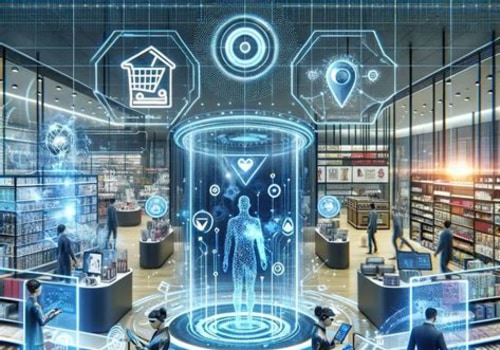
In the ever-evolving landscape of retail, understanding category managementcategory management is crucial for businesses aiming to optimize their decisions and drive growth. At Aegis SimForge, we recognize that effective category management goes beyond mere product placement; it encompasses a strategic approach to understanding shopper behavior, market trends, and competitive dynamics. This comprehensive discipline enables retailers to manage their product categories in a way that maximizes sales and enhances customer satisfaction. As retailers navigate the complexities of consumer preferences and market shifts, the importance of category management becomes increasingly evident. By analyzing how shoppers interact with various categories, businesses can tailor their offerings to meet demand while ensuring that their inventory remains relevant.
In this article, we will delve into the intricacies of category management, exploring its key components, methodologies, and the role it plays within the broader context of retail intelligence. Moreover, as we explore the relationship between category management and other related concepts, such as category intelligence, we will highlight how Aegis SimForge integrates these elements into its innovative Mission-to-Basket Consequence Intelligence framework. This closed-loop system not only aids in understanding shopper missions but also enhances decision-making processes by simulating potential outcomes before they are implemented. Join us as we unpack the essentials of category management, providing you with the insights needed to navigate this vital aspect of retail strategy effectively. Whether you're a seasoned professional or new to the field, this exploration will equip you with the knowledge to optimize your retail decisions and better serve your customers. The evolution of category management has undergone significant changes, shifting from traditional methods to more sophisticated, data-driven approaches. Initially, category management focused on basic metrics and vendor relationships, often relying on historical sales data and intuition to make decisions.
However, as the retail landscape became more competitive and complex, the need for a more nuanced understanding of consumer behavior emerged. Enter Aegis SimForge, a key player in providing advanced retail intelligence solutions that enable retailers to navigate these complexities effectively. Modern category management now emphasizes the importance of understanding shopper missions, which refer to the specific objectives that drive consumers into stores or online platforms. By recognizing these missions, retailers can better align their offerings with the needs and expectations of shoppers. Coupled with basket economics, which analyzes the value and composition of shopper baskets, this insight allows retailers to optimize their product assortments and promotional strategies.
Category intelligence plays a critical role in this process by providing real-time data on demand fluctuations, competitor actions, and channel dynamics, all of which inform more strategic decision-making. Retailers can leverage these insights to enhance shopper behavior. For instance, by analyzing the shopping journeys of consumers, retailers can identify key touchpoints where they can influence purchase decisions. A retailer might discover that certain products are frequently bought together or that specific promotions drive higher basket values. By optimizing the placement of these items in-store or tailoring online recommendations based on these insights, retailers can improve margins and reduce leakage—unplanned losses that occur when products go unsold or are returned. Another example involves the use of advanced analytics to assess how different categories perform under various conditions.
Retailers can simulate various scenarios using tools like Aegis SimForge, which provides a synthetic foresight platform for testing business strategies. This capability allows them to explore alternative futures based on historical data, enabling them to make informed decisions before implementing changes on the sales floor or in marketing efforts. However, transitioning to a data-driven approach to category management is not without its challenges. Retailers may face resistance from teams accustomed to traditional methods or struggle with integrating new technologies into their existing systems. Additionally, there may be concerns about data privacy and the accuracy of predictive models.
To overcome these obstacles, it is essential for organizations to foster a culture of innovation and continuous learning, ensuring that all stakeholders understand the value of data-driven insights in enhancing category performance. In conclusion, the journey from traditional category management to a more dynamic, insight-driven framework reflects a broader trend in retail towards embracing technology and data analytics. By understanding shopper missions, leveraging basket economics, and utilizing category intelligence tools like Aegis SimForge, retailers can not only optimize their category strategies but also enhance overall business performance in an increasingly competitive environment.
The Role of Shopper Missions
Understanding why shoppers enter the retail environment is crucial for effective category management. Aegis SimForge emphasizes that shopper missions are the driving force behind consumer behavior, influencing how categories are managed and how products are positioned on shelves. When retailers grasp the various reasons shoppers come into their stores—whether to fulfill a specific need, explore new products, or simply browse—they can tailor their category management strategies accordingly. This insight allows retailers to create an engaging shopping experience that aligns with shopper expectations.For instance, if a significant portion of shoppers enters a store with the mission of purchasing groceries for the week, the retailer can prioritize essential items in their category layout and promotional strategies. This not only enhances the shopping experience but also drives sales and increases customer loyalty. Aegis SimForge's approach integrates shopper missions into its Mission-to-Basket Consequence Intelligence system, enabling retailers to simulate how different shopper objectives impact basket composition and overall sales. By understanding these missions, retailers can make data-driven decisions that improve category performance and meet consumer needs more effectively. Ultimately, recognizing the role of shopper missions in retail environments allows for a more nuanced understanding of customer behavior, leading to optimized category management practices that benefit both retailers and shoppers alike.
Integrating with Advanced Tools: Aegis SimForge
In the realm of retail, Aegis SimForge stands out as a transformative tool that seamlessly integrates with category management practices. By utilizing advanced simulation and calibration capabilities, Aegis SimForge empowers retailers to optimize their decision-making processes.This integration allows retailers to not only manage their categories effectively but also to anticipate shopper behaviors and market shifts, enhancing overall strategic planning. The unique features of Aegis SimForge include its ability to simulate various retail scenarios, providing insights into how different strategies might impact shopper missions and basket economics. With its synthetic shopper wind-tunneling, retailers can explore alternative futures based on historical data and predictive modeling. This foresight enables businesses to surface potential failures before they occur, thereby allowing for timely interventions that can mitigate risks and maximize opportunities. Moreover, the closed-loop calibration feature ensures that the insights gained from simulations are grounded in reality. By correcting forward-looking predictions with historical ground truth, Aegis SimForge creates a robust framework for understanding how shopper missions translate into tangible outcomes such as loyalty, margin, and growth.
Thus, the integration of category management with tools like Aegis SimForge not only refines operational efficiency but also fortifies retailers' competitive edge in an ever-evolving market landscape.
Basket Economics: Understanding Shopper Value
In the realm of retail, Basket Economics plays a crucial role in deciphering the value that shoppers assemble during their shopping experiences. By analyzing the items that consumers group together in their baskets, retailers can gain invaluable insights into shopper behavior and preferences. Aegis SimForge stands at the forefront of this analytical approach, providing advanced tools to enhance decision-making processes through its innovative platform. The value shoppers derive from their selections often reflects broader trends and preferences that may not be immediately evident. For instance, understanding which products tend to be purchased together can help retailers optimize their category management strategies, ensuring that complementary items are strategically placed in stores or marketed effectively.This insight not only aids in improving customer satisfaction by anticipating shopper needs but also enhances inventory management and promotional strategies. Moreover, by leveraging Mission-to-Basket Consequence Intelligence, retailers can simulate various shopper missions and understand how these translate into actual purchasing behavior. This predictive capability allows businesses to visualize potential outcomes before implementing decisions, thus minimizing risks associated with product placement and marketing efforts. Through Aegis SimForge’s tools, retailers can harness the power of Basket Economics to make informed choices that drive growth and enhance overall shopper loyalty.
What is Category Management?
Category management is a retail strategy that focuses on managing product categories as strategic business units. It involves a collaborative process between retailers and suppliers to optimize the assortment, pricing, promotion, and presentation of products within a specific category.The primary goal is to maximize sales and profitability by understanding consumer behavior and preferences, as well as market trends. In this context, Aegis SimForge plays a pivotal role by providing advanced retail intelligence solutions that enhance the decision-making process in category management. At its core, category management entails analyzing product performance, shopper missions, and basket economics to create tailored strategies that meet customer needs while driving business success. Retailers utilize data-driven insights to determine which products to stock, how to price them competitively, and how to promote them effectively. This systematic approach not only improves operational efficiency but also fosters better relationships between retailers and suppliers, aligning their goals for mutual benefit. The significance of category management extends beyond mere product placement; it encompasses the broader retail strategy aimed at navigating complex market dynamics.
By integrating tools like Aegis SimForge's Mission-to-Basket Consequence Intelligence, retailers can simulate various scenarios and forecast outcomes before implementing decisions. This proactive stance allows for timely interventions that can mitigate risks associated with shopper leakage, loyalty issues, or margin erosion. Ultimately, category management is about transforming data into actionable insights, ensuring that every decision contributes to a more effective retail operation and enhanced customer satisfaction.
Category Intelligence: Adapting to Market Changes
Category intelligence plays a crucial role in helping retailers navigate the ever-evolving landscape of consumer behavior and market dynamics. By leveraging advanced analytics and insights, retailers can detect shifts in demand, monitor competition, and understand shopper behavior more effectively.Aegis SimForge
provides a powerful platform that integrates these aspects, enabling retailers to make informed decisions that align with current market trends. Retailers can use category intelligence to identify changes in consumer preferences and purchasing patterns.By analyzing data from various channels, they can pinpoint when specific categories experience increased or decreased demand. This proactive approach allows retailers to adjust their inventory levels, marketing strategies, and promotional efforts accordingly, ensuring they meet customer needs while maximizing sales potential. Furthermore, monitoring competitive activity is essential for maintaining a competitive edge. Category intelligence tools enable retailers to track competitors' pricing strategies, product offerings, and promotional campaigns. By staying informed about the competitive landscape, retailers can adapt their own strategies to better position themselves in the market. Shopper behavior is another critical area where category intelligence proves invaluable.
Understanding the motivations behind shopper missions—why customers enter stores or websites—allows retailers to create tailored experiences that resonate with their target audience. By analyzing shopper pathways and decision-making processes, retailers can optimize store layouts and online interfaces to enhance customer engagement and drive conversions. In summary, category intelligence is an essential tool for retailers seeking to adapt to market changes. With the support of platforms like Aegis SimForge, retailers can gain actionable insights that inform their strategies, ultimately leading to improved decision-making and increased profitability. In conclusion, this article has explored the vital aspects of category management and its significance in enhancing retail strategies. We have established that effective category management not only helps retailers understand shopper missions and basket economics but also enables them to adapt to changing market dynamics through category intelligence.
Furthermore, we highlighted the importance of integrating advanced tools like Aegis SimForge, which provide a comprehensive platform for simulating potential outcomes and optimizing decision-making processes. Retailers are encouraged to embrace these methodologies, leveraging advanced category management practices and innovative solutions like Aegis SimForge to improve their business outcomes. By doing so, they can navigate the complexities of the retail landscape more effectively, ensuring that they meet consumer needs while driving profitability.